Kinder Squad SVG & Teacher SVG: A Practical Guide to Back-to-School Digital Design Assets
As the academic year approaches, educators, small business owners, crafters, and school support staff increasingly turn to digital design files—not just for convenience, but for consistency, creativity, and classroom cohesion. At the center of this seasonal workflow are Kinder Squad SVG and Teacher SVG collections: thoughtfully crafted, multi-format digital cut files designed specifically for back-to-school use. These aren’t generic clipart packs—they’re purpose-built assets that reflect pedagogical warmth, nostalgic charm, and modern design sensibility.
What Exactly Are Kinder Squad SVG and Teacher SVG Files?
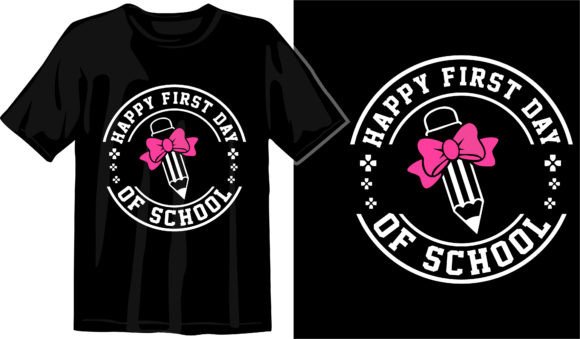
Kinder Squad SVG refers to a curated set of scalable vector graphics centered on early childhood education themes—think smiling apples, chalkboard motifs, friendly backpacks, and inclusive group imagery representing kindergarten classrooms. Similarly, Teacher SVG encompasses designs tailored to educator identity: chalk-dusted mugs, “World’s Best Teacher” banners, subtle yet proud “Teacherm” lettering (a playful nod to common typographic variations), and heartfelt 1st day of school quotes. Both categories often appear in coordinated bundles—Retro back to school SVG bundle, Back to school SVG bundle, or Beautiful back to school SVG—each offering stylistic continuity across formats.
Crucially, these are not static images. Every file is delivered as a Digital Download in SVG, PNG, EPS, DXF format, meaning they scale infinitely without pixelation, retain clean edges for cutting machines, and adapt seamlessly across platforms—from Cricut Design Space to Adobe Illustrator or Silhouette Studio. The inclusion of DXF ensures compatibility with laser cutters and CNC workflows; EPS supports legacy print production; PNG delivers crisp raster versions for digital overlays or sublimation previews.
Real-World Applications Across Diverse User Groups
The versatility of these files becomes most apparent when observed across actual usage contexts—not hypothetical ones. Here’s how different users integrate Kinder Squad SVG and Teacher SVG into tangible outcomes:
- Educators and School Staff: Create personalized welcome signs for classroom doors using “1st day of school SVG” files, cut from vinyl and mounted on foam board. Print “Back to school quotes SVG” on laminated name tags or student folders—reinforcing community language from day one.
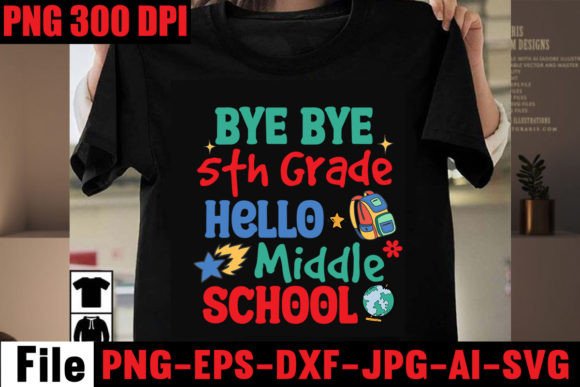
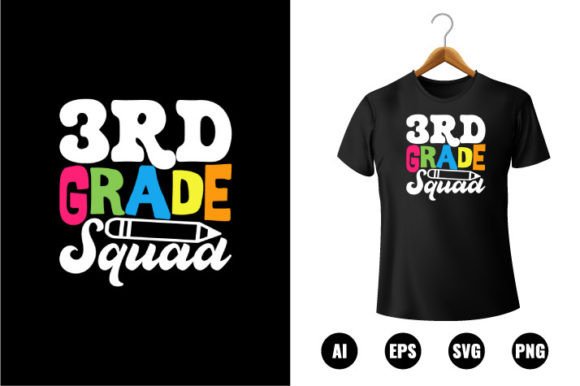
- Small Business Owners (Print-on-Demand, Local Shops): Layer “Retro back to school SVG” elements into t-shirt mockups for local PTA fundraisers. Combine “Teacher SVG design” with custom typography to produce limited-run mugs sold at open house events—no inventory risk, just targeted relevance.
- Crafters and Hobbyists: Use the DXF files to engrave wooden growth charts or cut acrylic keychains shaped like apples or pencils. Apply SVG layers in Canva to design printable stationery sets—homework trackers, behavior charts, or reward certificates—all branded with cohesive visual language.
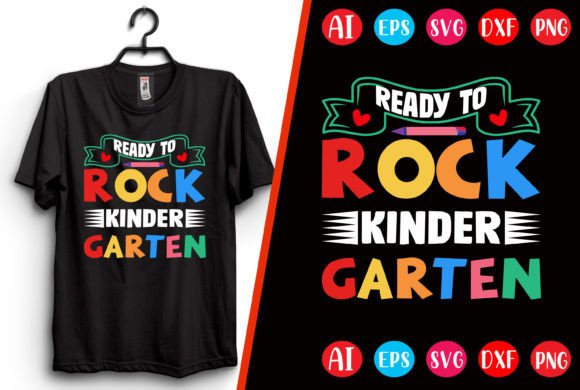
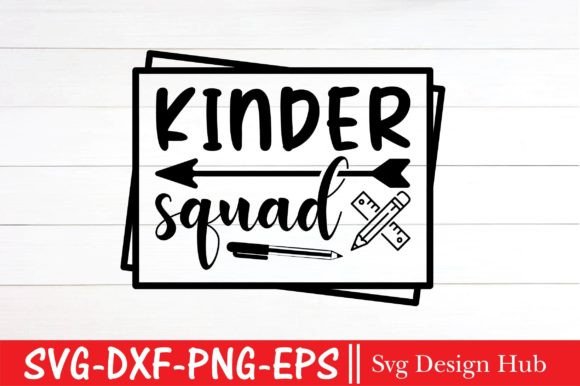
- Home Educators and Parent Co-ops: Import “Kinder squad SVG” files into Glowforge or Cricut Maker software to fabricate tactile learning tools—felt letters, counting bears, or shape-sorting boards—supporting multisensory instruction without sourcing physical manipulatives.
- Event Planners and Party Designers: Scale “Beautiful back to school SVG” borders to wrap dessert tables at orientation picnics. Convert “Back to school t shirt” motifs into iron-on transfers for volunteer crew shirts—building team identity before the first bell rings.
Why Format Diversity Matters More Than You Might Think
It’s easy to overlook the significance of receiving four ZIP files, each containing the same design in SVG, EPS, DXF, and PNG—but format choice directly impacts output fidelity, tool compatibility, and production speed. For example:
- An elementary art teacher preparing stencil templates for a mural project benefits from the DXF version—it imports cleanly into free vector editors like Inkscape and maintains precise path data needed for projection tracing.
- A graphic designer creating branded merchandise for a district-wide “Teacher Appreciation Week” relies on EPS to preserve transparency and spot color definitions when handing off files to commercial printers.
- A parent crafting DIY tumblers uses the PNG version with transparent background to preview placement in sublimation software before committing to heat transfer vinyl.
- A homeschooling parent building a Montessori-aligned shelf label system imports the SVG into Cricut Design Space—leveraging its layer-editing features to adjust spacing between text and icon without distorting proportions.
This multi-format delivery isn’t redundancy—it’s flexibility engineered for real constraints: software limitations, hardware capabilities, material types, and time budgets. It eliminates the need for format conversion (and associated quality loss), letting users move directly from inspiration to execution.
Design Integrity and Educational Sensitivity
Beyond technical utility, high-quality Kinder Squad SVG and Teacher SVG assets reflect an understanding of educational context. Considerations include:
- Inclusivity in representation: Figures depicted in “Kinder squad SVG” files avoid stereotyped gender roles or narrow cultural references—instead showing diverse skin tones, adaptive equipment, and varied family structures.
- Legibility at small scale: “Back to school SVG files for Cricut” intended for pencil toppers or badge reels maintain stroke weight and spacing that remain readable even at 0.5-inch height.
- Retro authenticity without kitsch: “Retro back to school bundle” designs reference mid-century classroom aesthetics—geometric patterns, warm palettes, hand-drawn textures—but avoid dated tropes that might alienate contemporary learners or staff.
- Typography clarity: “Teacher svg” quotes prioritize open-source or commercially licensed fonts with strong x-height and generous letter spacing—critical for readability by young children or those with visual processing differences.
These subtleties matter because classroom environments are lived-in spaces—not decorative backdrops. A poorly spaced “World’s Best Teacher” SVG may look charming at desktop size but become illegible on a 36-inch banner hung above a whiteboard. Thoughtful design anticipates where and how the file will be used—not just how it looks in isolation.
Workflow Integration: From Download to Deployment
Successful implementation hinges less on owning every format and more on matching file type to stage of creation:
- Concept & Layout: Start with the SVG version in your preferred vector editor—it allows full manipulation of layers, colors, and grouping. Ideal for mocking up signage or apparel placements.
- Cutting Preparation: Export or import the DXF version into your cutting machine software. Its native path structure reduces auto-tracing errors and ensures clean blade movement—especially important for intricate “back to school cut file” outlines like pencil erasers or apple stems.
- Print Production: Use EPS for offset or large-format printing where color accuracy and embedded fonts are non-negotiable. Avoid converting SVG to JPEG for professional print jobs—lossy compression degrades fine lines essential to educational icons.
- Digital Sharing: Distribute the PNG version internally—for example, embedding “Back to school SVG Designs” into Google Slides for staff training decks or sharing “Teacher shirt” mockups with PTA committees via email.
This staged approach prevents workflow bottlenecks. Trying to cut from a low-res PNG leads to jagged edges. Using EPS in Cricut Design Space creates import failures. Matching format to function streamlines execution—whether you're producing ten tumblers or two hundred classroom posters.
Looking Ahead: Sustainability and Scalability
As schools adopt more flexible learning models—including hybrid schedules, micro-schools, and community-based co-ops—the demand for adaptable, reusable design resources grows. Kinder Squad SVG and Teacher SVG assets support sustainability in two key ways:
- Resource efficiency: One digital purchase replaces dozens of printed posters or disposable decorations. A single “Back to school bundle” can generate signage for entryways, hallway displays, virtual meeting backgrounds, and printed take-home packets—all from the same source files.
- Iterative customization: Rather than commissioning new artwork each year, educators modify existing SVG layers—changing dates, names, or colors—to refresh materials annually without redesign costs.
In practice, this means a “Retor back to school svg bundle” (note the intentional spelling variation reflecting common search behavior) isn’t just about nostalgia—it’s about honoring continuity while allowing evolution. A teacher might reuse the same “Teacherm” base design across five years, updating only the grade level or classroom number embedded in the SVG text layer.
Ultimately, these files serve as quiet infrastructure—enabling clarity, connection, and care in learning environments. They don’t replace pedagogy, but they do amplify intentionality: in how a child sees themselves reflected in classroom visuals, how a teacher feels acknowledged in their labor, and how a community signals shared purpose before the first lesson begins.