Teacher Nutrition Facts Crayons Tumbler: A Smart, Scalable Design Asset for Educators and Creators
Teachers don’t just manage classrooms—they curate culture, express identity, and navigate high-stakes work with wit and warmth. The Teacher Nutrition Facts Crayons Tumbler isn’t a novelty item; it’s a reflection of how educators are reclaiming visibility through intentional, playful design. This digital tumbler wrap—featuring the clever “Nutrition Facts” label reimagined with crayons, leopard print, and teacher-life motifs—meets real-world needs: brand consistency for small businesses, personal expression for classroom leaders, and production flexibility for print-on-demand (POD) creators.
What It Is—and Why It Fits Right Now
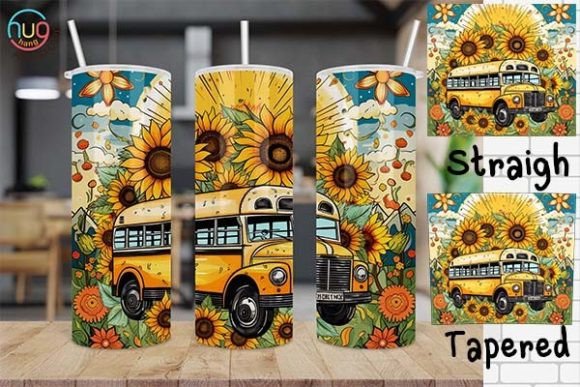
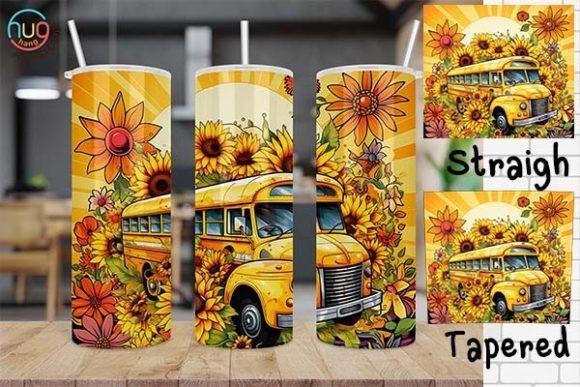
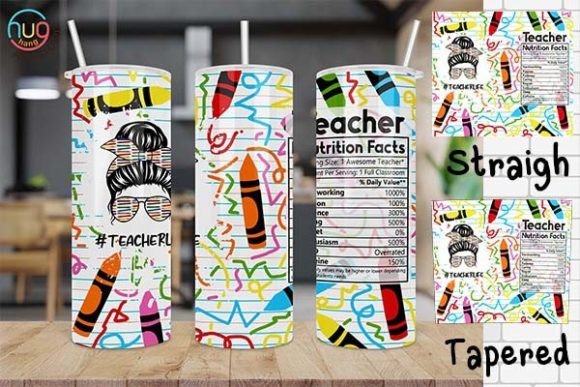
This listing delivers two ready-to-use PNG files: one straight (cylindrical) and one tapered (for skinny 20oz tumblers), both pre-sized but fully resizable. No physical product ships—just clean, transparent-background artwork optimized for vinyl cutting, sublimation, or direct-to-garment printing. That distinction matters. In 2024, more educators, Etsy sellers, and school spirit coordinators are shifting toward digital-first assets—not because they’re cheaper, but because they’re faster to test, iterate, and scale. A teacher launching a side hustle can mock up a tumbler in minutes, share it with colleagues for feedback, and order samples before lunch. A POD shop owner can add it to their catalog alongside other Back to School Teacher designs without inventory risk or shipping delays.
Leopard, Bun Hair, and the Rise of Layered Identity
The design layers three resonant visual cues: leopard print (bold yet timeless), the “Teacher Life Bun Hair” motif (a quiet nod to real daily rhythms), and the “Nutrition Facts Crayons” concept (humor grounded in authenticity). These aren’t random trends—they reflect deeper shifts. Leopard print has moved beyond fashion into functional branding: it signals confidence without loudness, energy without chaos—ideal for educators who balance authority and approachability. The bun hair illustration isn’t just cute; it’s a subtle recognition of labor—of time saved, energy conserved, identity maintained amid relentless demands. And the “Nutrition Facts” framework? It mirrors how professionals across fields now communicate value visually: breaking down intangible effort (“Patience: 37 servings per day”) into digestible, shareable units.
Digital-First Doesn’t Mean Low-Effort
“Instant download” doesn’t mean “plug-and-play without thought.” These files are designed for flexibility—but that flexibility requires intention. For example, the tapered PNG assumes a standard 20oz skinny tumbler profile (approx. 8.5” tall, 2.5” base diameter). Resize it for a 30oz wide-body tumbler without adjusting aspect ratio, and distortion occurs near the base. Successful users preview wraps using free tools like Cricut Design Space or Canva’s mockup generator—or test print at 25% scale on plain paper to check alignment before committing to vinyl. Likewise, the seamless “Teacher Life Bun Hair” pattern works best when tiled across larger surfaces (mugs, tote bags, lesson plan covers), not just tumblers. Savvy creators treat these files as foundational elements—not endpoints—but building blocks for cohesive teacher-branded kits.
How Educators and Entrepreneurs Are Using It—Beyond the Tumbler
While marketed for tumblers, the utility extends further. One Montessori guide uses the “Crayons Nutrition Facts” graphic as a classroom poster—printed large, laminated, and hung beside her supply shelf to spark conversations about classroom roles. A curriculum designer licensed the seamless bun hair pattern to create editable Google Slides templates—subtly reinforcing teacher identity in professional development decks. A boutique stationery shop layered the leopard wrap over matte black notebook covers, then sold them as “Back to School Teacher Survival Kits” alongside sticky notes shaped like apples. None of these uses required custom illustration—just smart adaptation of existing, well-structured assets.
Why Resizable PNGs Matter More Than Ever
Standardization is eroding—not disappearing, but bending. Tumbler shapes vary by supplier: some brands use taller, slimmer profiles; others favor wider bases or curved grips. Sublimation printers differ in heat press pressure and dwell time, affecting how tightly a wrap adheres near seams. Even educator preferences shift: post-pandemic, many prioritize lightweight, leak-proof 20oz tumblers over heavier 32oz versions. Having both straight and tapered PNGs means creators aren’t locked into one vendor or size. They can adjust width independently of height, preserve text legibility at smaller scales, or even extract individual icons (crayons, bun silhouettes) for social media banners. That adaptability reduces friction between idea and execution—especially valuable when time is the scarcest resource.
Practical Tips for Getting the Most From Your Download
- Check your printer’s DPI requirements: Most sublimation printers need 300 DPI at final size. If resizing beyond 200%, resample in Photoshop or Affinity Photo—not basic preview apps—to avoid pixelation.
- Test seam alignment: Print the tapered file on letter-size paper, cut it out, and wrap it around an empty tumbler. Mark where the left and right edges meet. Adjust horizontal offset in your design software if the pattern doesn’t close cleanly.
- Leverage transparency intentionally: The PNGs include alpha channels. Use them to overlay the design on textured backgrounds (kraft paper, marble, brushed metal) in Canva or Adobe Express—adding depth without extra layers.
- Pair with complementary assets: Combine the “Nutrition Facts” typography with minimalist chalkboard-style fonts for consistency. Avoid clashing scripts or overly decorative typefaces that compete with the crayon motif.
Not Just for Teachers—A Template for Niche Branding
What makes the Teacher Nutrition Facts Crayons Tumbler effective isn’t its subject alone—it’s its structure. It models how any profession can translate core values into visual language: replace “crayons” with “stethoscopes” for nurses, “code brackets” for developers, or “plant cuttings” for garden educators. The leopard print? A neutral-yet-distinctive texture that adds polish without limiting audience. The bun hair? A humanizing detail that invites connection. This isn’t about pandering to stereotypes—it’s about recognizing shared rhythms (early mornings, quick lunches, last-minute prep) and honoring them with thoughtful design.
Looking Ahead: Simplicity With Substance
As AI tools flood the market with generic “teacher-themed” graphics, demand is rising for assets that feel hand-selected, not algorithmically assembled. The Teacher Nutrition Facts Crayons Tumbler succeeds because it balances specificity with versatility: detailed enough to resonate, flexible enough to adapt. It reflects a broader move away from one-size-fits-all branding and toward modular, values-aligned toolkits—where educators aren’t just end users, but co-creators of their own visual language. Whether you’re ordering 5 tumblers for your grade-level team or scaling a POD store with 50+ teacher designs, starting with a well-built, intelligently structured digital asset saves hours—and preserves authenticity.