Sixth Grade First Day School Sublimation: A Strategic Creative Asset for Educators, Makers, and Small Business Owners
For educators, school photographers, boutique apparel entrepreneurs, and creative professionals alike, Sixth Grade First Day School Sublimation is more than a cheerful graphic—it’s a timely, high-intent design asset that meets evolving demand across education-adjacent markets. Unlike generic back-to-school clipart, this purpose-built sublimation design bridges emotional resonance with commercial utility: it speaks directly to a pivotal academic milestone—transitioning from elementary to middle school—while delivering production-ready versatility for physical product creation.
What Exactly Is Sixth Grade First Day School Sublimation?
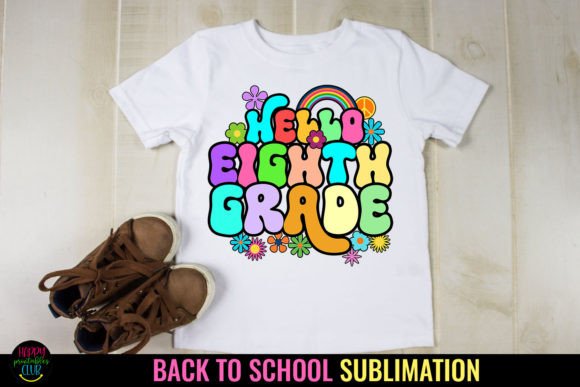
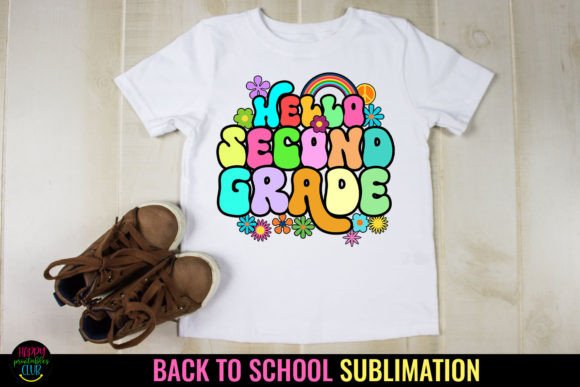
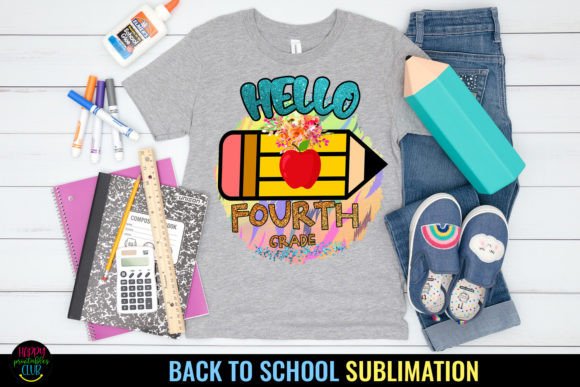
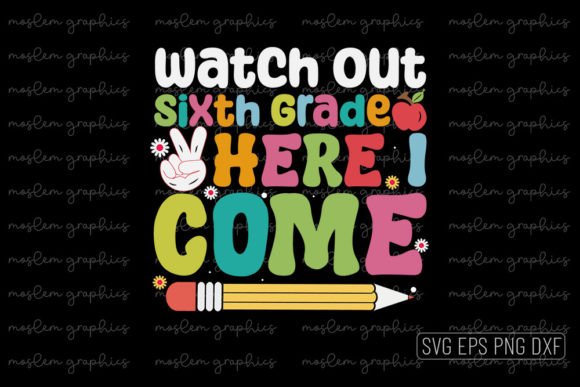
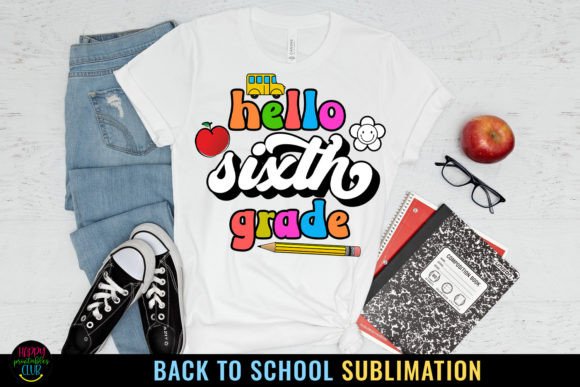
Sixth Grade First Day School Sublimation refers to a professionally designed, print-ready digital file optimized specifically for sublimation printing—a dye-based process where heat transfers vibrant, permanent graphics onto polyester-coated or polymer-infused substrates. The design in question features joyful, age-appropriate typography and illustration elements (think bold “I’m in 6th Grade!” messaging, subtle school motifs, and inclusive, modern character styling) crafted to resonate with preteens, parents, and educators during the emotionally charged first week of the academic year.
Crucially, it’s not just “cute”—it’s engineered for real-world use. Delivered as a single high-resolution PNG file (12 x 12 inches, 300 DPI), it’s calibrated for crisp output on diverse merchandise: t-shirts, tumblers, water bottles, tote bags, ceramic mugs, notebooks, journals, and even custom invitations. Its transparent background and vector-friendly raster clarity ensure seamless layering in design software like Adobe Photoshop, Canva Pro, or Silhouette Studio—no clipping masks or manual cleanup required.
Why This Niche Design Fits Broader Market Shifts
The rise of targeted, grade-specific school merchandise reflects deeper shifts across three intersecting domains: education culture, small business operations, and consumer expectations.
Educational Milestones Are Now Commercial Moments
Parents and schools increasingly treat academic transitions—not just graduations—as celebratory inflection points. Sixth grade marks the first formal entry into middle school: new schedules, lockers, electives, and social dynamics. That psychological weight translates into measurable consumer behavior. According to the National Retail Federation’s annual Back-to-School Spending Report, families spent an average of $895 per child in 2023—with nearly 40% allocating budget toward “personalized or commemorative items” beyond uniforms and supplies. Sixth-grade-themed apparel sits squarely in that growth pocket, offering emotional value without requiring institutional approval (unlike school-branded gear).
Small Makers Prioritize Speed, Scalability, and Emotional Precision
For print-on-demand sellers, local screen printers, and teacher-entrepreneurs running Etsy shops or school PTA fundraisers, time-to-market and relevance are non-negotiable. Generic “Back to School Sublimation” packs often lack grade specificity—forcing creators to manually edit text or source fonts, risking copyright issues or inconsistent aesthetics. In contrast, Sixth Grade First Day School Sublimation eliminates guesswork: the grade level is baked in, the tone is developmentally appropriate, and the file format guarantees compatibility with most sublimation workflows.
This aligns with industry-wide movement toward micro-targeted digital assets. Just as marketers segment email lists by life stage, creative professionals now curate design libraries by audience moment—not just theme. A “Happy First Day School Sublimation” graphic gains traction only when its context is unmistakable. Sixth grade isn’t interchangeable with third or ninth; visual cues—font weight, color saturation, iconography—must signal maturity without alienating younger viewers. This design does so deliberately.
Practical Applications Beyond the Obvious
While t-shirts and tumblers remain top-use cases, forward-thinking users deploy this asset in ways that amplify reach and reinforce brand positioning:
- Teacher Welcome Kits: Printed on reusable tote bags included in new-teacher orientation packets—positioning the district as supportive and student-centered from day one.
- School Photography Studios: Embedded into digital proofing galleries as watermark-safe overlays, increasing perceived value and encouraging upsells on keepsake items.
- PTA Fundraisers: Paired with QR codes linking to donation pages—turning a fun shirt into a low-friction engagement tool.
- Student-Led Entrepreneurship Projects: Used by sixth graders themselves in classroom business simulations, teaching branding, customer empathy, and production logistics firsthand.
Each application leverages the same core strength: the design functions as both artifact and anchor—it commemorates a shared experience while serving functional, revenue-generating, or community-building goals.
Technical Considerations That Matter to Professionals
Creators selecting sublimation files must weigh more than aesthetics. Compatibility, resolution integrity, and workflow integration determine ROI—not just upfront cost. Here’s why this particular file stands out for serious users:
- No hidden layers or proprietary formats: A single PNG means no software lock-in. Whether you use Cricut Design Space, CorelDRAW, or Affinity Photo, the file imports cleanly.
- 12×12 at 300 DPI ensures scalability: It prints sharply on a 12-ounce mug (where smaller files pixelate) and scales down cleanly for 3×3-inch notebook stickers—no re-rasterization needed.
- Color-managed for consistency: While screen variance is inevitable (as noted in the product description), the RGB profile is optimized for common sublimation RIP software, minimizing unexpected hue shifts during transfer.
- No font dependencies: All text is flattened into the raster image—eliminating licensing risks or missing-font errors during batch processing.
These aren’t “nice-to-haves.” They’re operational safeguards—especially critical for service-based creatives managing multiple client projects or seasonal inventory cycles. Time saved on troubleshooting equals capacity gained for higher-value tasks: client consultation, mockup customization, or fulfillment optimization.
Looking Ahead: Contextual Design as a Growth Lever
The future of creative commerce belongs to assets that do more than decorate—they contextualize. As AI tools lower the barrier to basic design generation, human-curated, audience-intelligent files like Sixth Grade First Day School Sublimation gain strategic advantage. They reflect deep understanding of developmental psychology, purchasing triggers, and production constraints—not just visual trends.
That insight scales. Once a creator masters the nuance of sixth-grade messaging, they can extend the framework: seventh-grade leadership themes, eighth-grade STEM emphasis, or even transition-focused designs for special education pathways. Each iteration compounds expertise—and builds a defensible, research-informed design library.
In short, this isn’t just another PNG download. It’s a small but significant node in a larger ecosystem—one where education, entrepreneurship, and emotional intelligence converge. For professionals who understand that the right design, deployed at the right moment, doesn’t just sell a product—it affirms an identity, honors a milestone, and strengthens community ties.
If you serve families navigating academic transitions—or build products rooted in meaningful moments—Sixth Grade First Day School Sublimation isn’t merely relevant. It’s operationally intelligent, emotionally precise, and commercially ready.