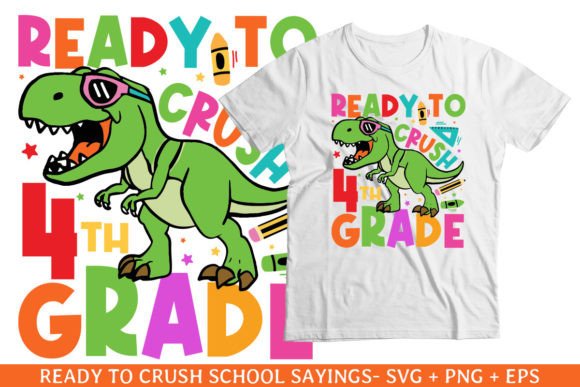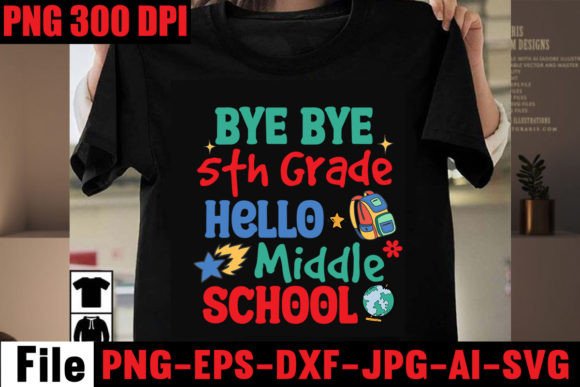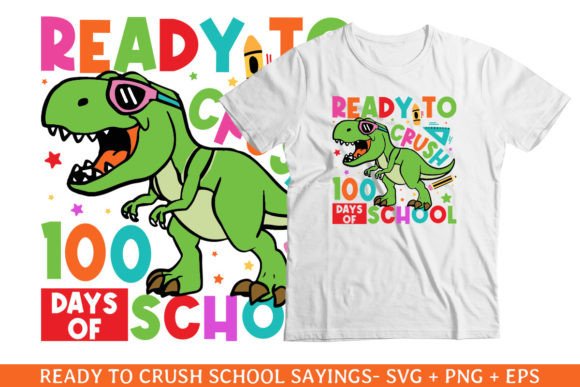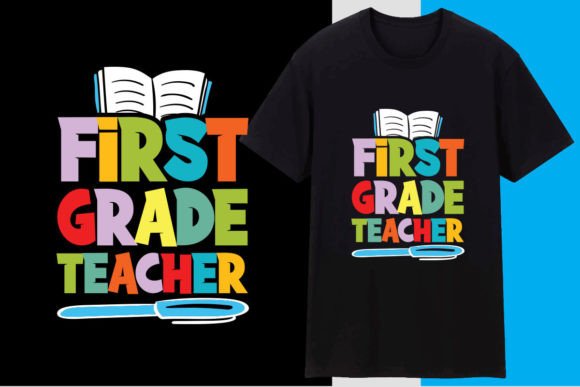
Crushed 1st Grade of School SVG Design
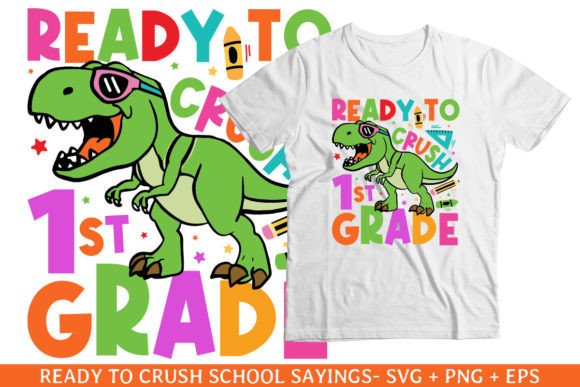
If you're designing back-to-school merchandise—whether for a classroom, small business, school fundraiser, or personal craft project—the Crushed 1st Grade of School SVG Design is more than just a playful phrase. It’s a smart, production-ready asset built for real-world flexibility and visual impact. Unlike generic clipart or low-res graphics, this design delivers professional-grade vector precision with intentional versatility—so it works as well on a toddler’s cotton tee as it does on a ceramic mug handed out at orientation.
Why This SVG Stands Out in a Crowded Market
Most back-to-school SVGs lean heavily into clichés: apples, pencils, chalkboards, or overly cutesy fonts. The Crushed 1st Grade of School SVG Design breaks that mold—not by being edgy, but by being *authentically relatable*. It taps into the shared experience of early academic milestones (and the gentle chaos that comes with them) without leaning on tired tropes. That resonance translates directly to better engagement—especially with parents, teachers, and students who appreciate wit over whimsy.
What makes it technically strong? Every element is built from 100% vector shapes—no rasterized effects, no embedded pixels. That means you can scale it from a 2-inch sticker to a 24-inch wall decal without losing crispness. And because it’s delivered in AI, EPS 10, SVG, and high-res PNG (300dpi, transparent background), you’re never locked into one platform or workflow.
Real-World Use Cases—Beyond the Obvious
Let’s move past “just another t-shirt design.” Here’s where this SVG proves its value across contexts:
- Educators & Schools: Print it on welcome packets, classroom banners, or parent volunteer shirts—then tweak the color palette to match your school’s branding. Since all 100 shapes are individually color-changeable, swapping navy for forest green (or gold for maroon) takes seconds—not hours.
- Print-on-Demand Sellers: Bundle it with complementary designs (like “Back to School SVG Bundle” variations) and offer custom color previews in your store. Buyers love seeing how it looks on dark vs. light tees—and this file makes those mockups fast and accurate.
- Local Businesses: A coffee shop near an elementary school could use the same SVG on mugs, window decals, and social media graphics—keeping visual consistency across touchpoints while reinforcing community connection.
- Hobbyists & Crafters: Cut it cleanly on Cricut or Silhouette machines—even on textured fabrics or curved surfaces like tumblers—thanks to clean paths and optimized nodes.
Color Flexibility That Actually Saves Time
The phrase “100 color changeable” isn’t marketing fluff—it’s built into the layer structure. Each letter, shadow, and decorative element lives on its own vector path. So when you need a version for a black t-shirt, you don’t have to manually recolor 20 overlapping layers. In Illustrator or Affinity Designer, select the group and apply a new global swatch. Done. Same goes for white mugs (where contrast matters) or kraft paper stickers (where muted tones read better).
This isn’t just about convenience—it reduces human error. No more forgetting to update a stray outline or misaligning a gradient overlay. Consistency across product types becomes automatic, not aspirational.
Production-Ready, Not Just “Download-Ready”
“Ready to print” means something specific here: no hidden raster elements, no missing fonts, no ungrouped compound paths. The EPS 10 file ensures compatibility with older RIP software used by many screen printers. The SVG preserves layers and naming conventions so cutting machines recognize contours correctly. And the PNG? It’s not a throw-in—it’s a true 300dpi export with alpha transparency, ideal for digital ads, email headers, or Shopify banners where vector support is limited.
You also get source files (.AI and .EPS), which matters if you ever need to adjust spacing for embroidery digitizing, simplify paths for vinyl weeding, or extract individual letters for monogramming. That level of control separates hobby-grade assets from pro-grade ones.
Practical Tips Before You Use It
Before loading it into your next project, consider these real-world notes:
- Test cut first: Even with clean vectors, blade depth and material thickness affect results. Run a quick test on scrap fabric or cardstock before committing to a full batch.
- Check color mode: For screen printing, convert to CMYK or spot colors *before* sending to your printer. RGB looks vibrant on screen—but can shift unpredictably on press.
- Respect typography hierarchy: The “Crushed” effect works best at medium-to-large sizes. Avoid shrinking it below 1.5 inches on apparel—it loses legibility and impact.
- Pair intentionally: This design shines when paired with minimal supporting elements—a single star, a subtle underline, or clean sans-serif subtext like “Class of 2030.” Don’t overcrowd it.
Who Benefits Most—and Why
This isn’t a one-size-fits-all graphic. It serves creators who understand that back-to-school isn’t just a seasonal trend—it’s a cultural moment with emotional weight. Teachers use it to signal warmth and approachability. Small-business owners use it to show they’re tuned into local rhythms. Parents buy it because it feels *true*, not transactional.
And for freelancers or agencies building branded merch programs? It cuts down discovery time. Instead of sourcing, editing, and testing five different designs, you start with one that’s already engineered for adaptability—then extend it thoughtfully (e.g., swapping “1st Grade” for “Kindergarten” or “5th Grade” using the same base styling).
In short: the Crushed 1st Grade of School SVG Design earns its place in your toolkit not because it’s trendy, but because it’s *built to last*—across seasons, platforms, and purposes. It respects your time, your audience’s intelligence, and the craft behind good design.