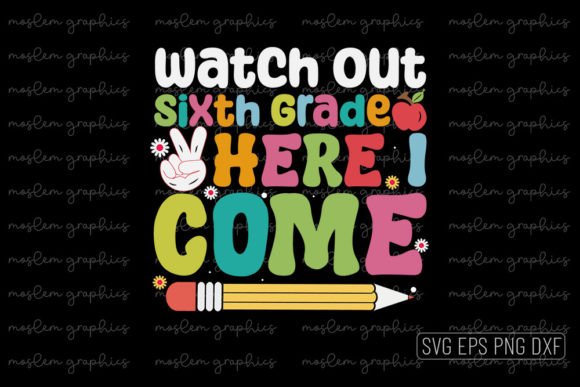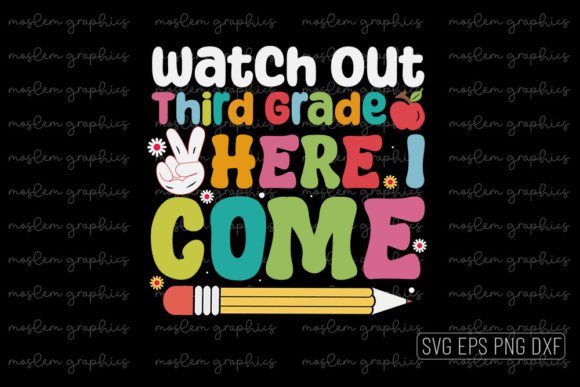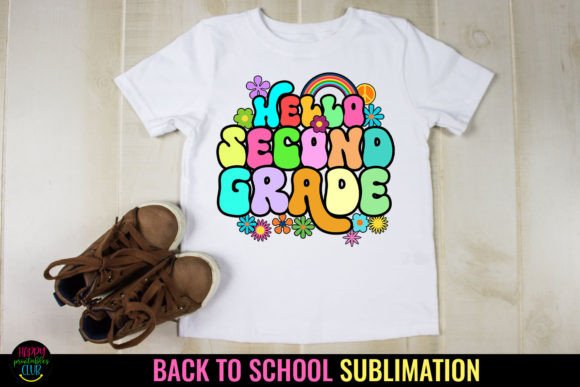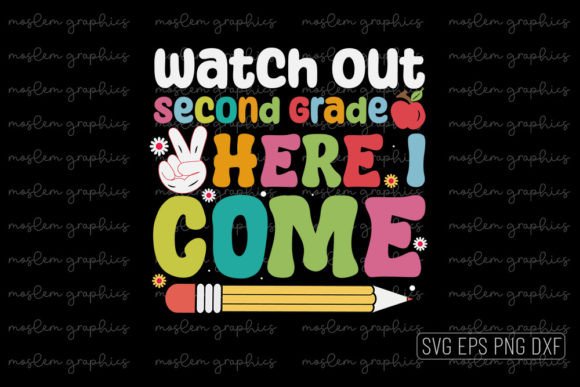
Watch out Second Grade Here I Come – SVG
If you're gearing up for back-to-school season—whether you're a parent celebrating your child’s big step, a teacher decorating the classroom, or a small business owner stocking fun apparel and gifts—you’ve likely seen Watch out Second Grade Here I Come – SVG designs popping up everywhere. This cheerful, confident phrase in bold, playful typography is more than just a cute saying—it’s a versatile digital asset designed for real-world use across crafts, apparel, home goods, and education. But not all versions deliver what they promise. Choosing the right file—and using it wisely—makes all the difference between a crisp, professional result and a frustrating, pixelated, or incompatible mess.
What This SVG Actually Is (and Why It Matters)
This isn’t just a picture of text. A true Watch out Second Grade Here I Come – SVG file is a vector-based design: infinitely scalable, fully editable, and built with clean paths and organized layers. The version described here includes four essential formats—SVG, EPS, PNG, and DXF—each serving a distinct purpose. The SVG works flawlessly in Cricut Design Space; the EPS is ideal for professional print shops; the high-resolution PNG (300 dpi, transparent background) suits quick digital printing or mockups; and the DXF ensures compatibility with Silhouette Studio and other cutting software.
Crucially, this file set is *color-changeable*, meaning you’re not locked into one palette. You can adjust every element individually—great for matching school colors, brand guidelines, or seasonal palettes. And because it’s 100% vector, resizing won’t blur or distort the text—even when scaled to fit a toddler’s t-shirt or a giant wall decal.
Mistake #1: Assuming “SVG” Means “Ready for Any Machine”
Not all SVG files behave the same way. Some are flattened, ungrouped, or saved with embedded raster effects that break in cutting software. Others lack proper stroke/outline conversion, causing thin lines to vanish or cut incorrectly. If your “Watch out Second Grade Here I Come – SVG” doesn’t load cleanly in Silhouette Studio—or cuts unevenly on your Cricut—it’s likely poorly structured.
Better approach: Look for confirmation that layers are named, grouped logically, and strokes are outlined. This listing explicitly states “organized layers” and “100 vector shapes resizable”—a strong signal the file was built for usability, not just aesthetics.
Mistake #2: Overlooking File Purpose Before Downloading
That PNG looks sharp on screen—but if you try to cut vinyl with it, you’ll get jagged edges or failed cuts. Conversely, an EPS file won’t open in basic apps like Canva or Microsoft Word without conversion. Confusing format roles leads to wasted time, misprinted mugs, or rejected iron-on transfers.
Better approach: Match the file type to your tool and goal. Use SVG/DXF for cutting machines, EPS for commercial printing, and PNG only for digital displays or simple print-and-go projects where resolution and transparency matter most.
Mistake #3: Skipping the “Print-Ready” Check
A design labeled “print ready” should mean no extra prep is needed—no white backgrounds hiding behind text, no RGB-only colors that shift unpredictably on press, and no missing fonts (since all text is converted to outlines). Yet many free or low-cost downloads skip these steps entirely.
Better approach: Verify the description mentions “transparent background” and “300 dpi”—both non-negotiables for quality physical output. This listing does both, and confirms high-resolution vector integrity. That means less troubleshooting and more reliable results—whether you’re printing on cotton tees, ceramic mugs, or linen tea towels.
Mistake #4: Ignoring Licensing and Use Scope
Some SVG sellers restrict commercial use, limit quantities, or prohibit resale—even for handmade items. Others don’t clarify whether you can use the design on POD (print-on-demand) platforms like Redbubble or Teespring. Assuming broad rights without checking can expose you to takedowns or legal risk.
Better approach: While this listing doesn’t spell out licensing terms in your prompt, always confirm usage rights before purchase. Reputable sellers typically allow both personal and small-business commercial use—ideal for educators selling class T-shirts or makers launching a back-to-school shop.
Real-World Uses—Beyond the Obvious
Yes, this design shines on kids’ T-shirts and backpacks—but its flexibility opens quieter, smarter opportunities. Think classroom welcome signs printed on matte cardstock and mounted on corkboards. Or custom iron-on transfers applied to denim jackets for end-of-year teacher gifts. Educators use it on editable PDF name tags with student photos; crafters layer it over watercolor backgrounds for boutique-style art prints; small batch producers apply it to ceramic mugs via sublimation for school fundraiser bundles.
Because it’s color-changeable and layer-organized, you can easily adapt it: swap “Second Grade” for “Third Grade” next year, add a star icon beside the text, or isolate just the “Watch out…” portion for a minimalist sticker sheet. That kind of flexibility saves time and money—no need to repurchase or rehire a designer annually.
Before You Hit Download—Quick Checklist
- Verify format variety: Do you have SVG, EPS, PNG, and DXF? Each serves a different workflow.
- Confirm vector integrity: Are all elements truly scalable without loss? Does the listing state “100 vector” and “resizable”?
- Check transparency & resolution: Is the PNG 300 dpi with a transparent background? Critical for clean overlays and print fidelity.
- Review layer organization: Can you easily select, recolor, or hide individual parts? Disorganized files slow down production.
- Scan for machine compatibility notes: Does it mention Silhouette Studio, Cricut, or other specific software? Vague claims (“works with all machines”) often signal overselling.
This Watch out Second Grade Here I Come – SVG package delivers what thoughtful creators actually need—not just a slogan, but a production-ready toolkit. Whether you’re prepping for the first day of second grade or building a seasonal product line, choosing a well-structured, properly formatted file means less guesswork, fewer do-overs, and more time enjoying the fun part: creating something meaningful, memorable, and proudly worn.